How to Spot Soft Drywall Around a Tub or Toilet During a Bathroom Mold Inspection
Why Soft Drywall Matters
When you are inspecting a bathroom for mold, the condition of the drywall around the tub and toilet tells you a lot. Soft, spongy drywall is almost always a sign of hidden moisture. And hidden moisture is what mold needs to thrive. A bathroom mold inspection that only looks at visible surfaces misses the real problem. This article walks through a practical method for checking those vulnerable spots, so you can find trouble before it spreads.
What Causes Soft Drywall
Drywall is a gypsum core sandwiched between paper layers. It stays hard and firm when dry. But if water gets in, the gypsum softens, the paper peels, and the material loses its structural integrity. Around a tub or toilet, the usual culprits are leaky seals, cracked caulk, failed grout, or condensation that never fully dries. Over time, even a tiny drip can saturate the drywall and create a perfect environment for mold growth. Mold Removal Boston Pros often point out that catching this early makes remediation simpler and less expensive.
Tools You Will Need
You do not need anything fancy for this check. A small flashlight, a flathead screwdriver or a stiff putty knife, and a clean cloth are enough. A moisture meter can help, but it is not required. The goal is to use your senses: touch, sight, and smell. If you suspect hidden moisture, you can also use a sharp probe like an awl to test how far the softening goes. Just be careful not to damage the drywall more than necessary.
Step 1: Start with a Visual Scan
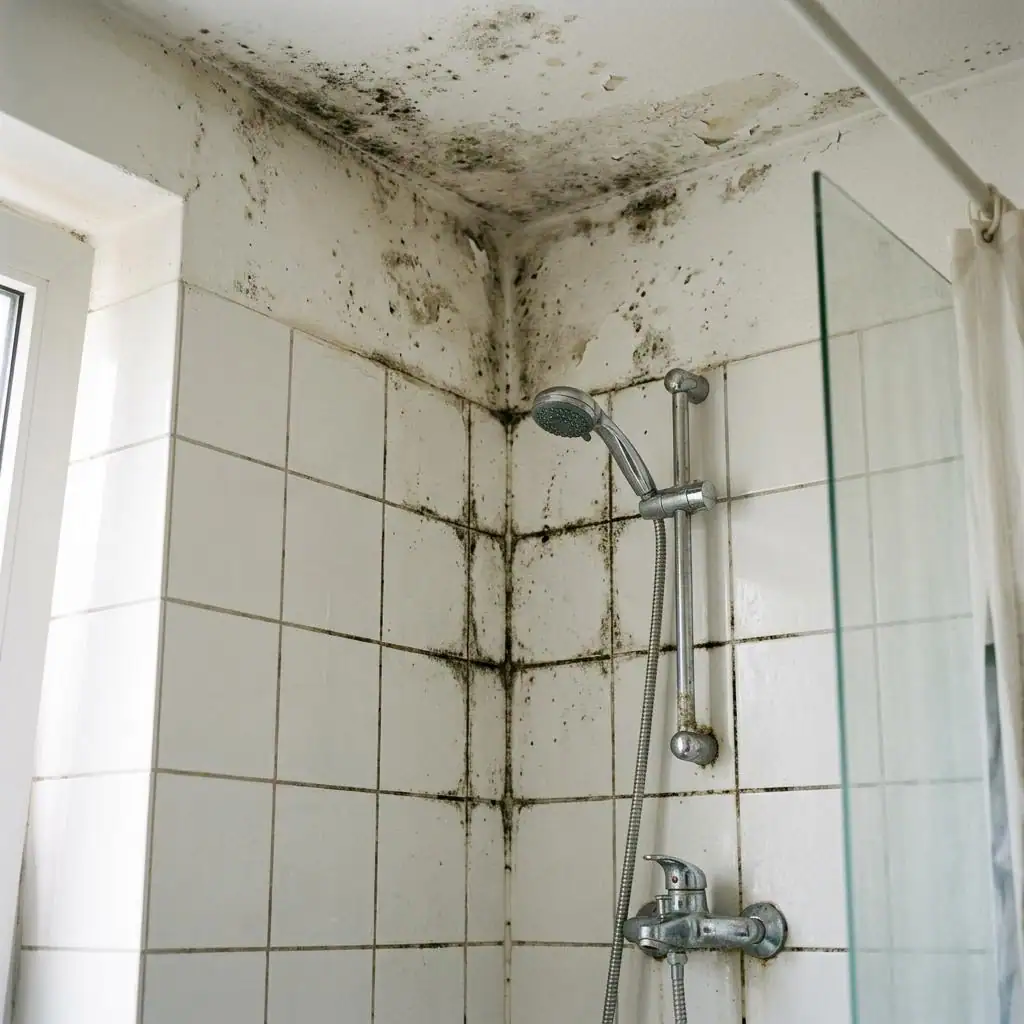
Before you touch anything, look. Stand back and examine the caulk lines around the tub and the base of the toilet. Look for gaps, cracks, or discoloration. If the caulk is pulling away from the tub or the floor, water can slip behind it. Look for paint or wallpaper that is bubbling, peeling, or stained. Those are clues that moisture is pushing through from behind. Pay special attention to corners and joints where two different materials meet. These are the weakest points in the waterproofing layer.
Step 2: Press Around the Edges
Use your fingers to press firmly on the drywall next to the tub or toilet. Start right at the edge where the fixture meets the wall and work outward. Healthy drywall feels solid and unyielding. If you feel any give, even slight, that area may be compromised. Focus on the bottom few inches of the wall, because water pools at the lowest point. Also press along the floor line. A soft spot there often indicates a leak that has been seeping for a while.
Step 3: Probe Suspect Areas
For spots that feel soft, use the flathead screwdriver or putty knife to gently probe. Push the tool into the drywall with light pressure. If it sinks in more than a millimeter or two, the core is waterlogged. Rotate the tool slightly to see if the paper layers separate. If they do, the drywall has lost its integrity. Be gentle here; you are diagnosing, not demolishing. The point is to determine whether the material needs replacement, not to make a hole that will have to be patched.
Step 4: Check for Mold Directly
Once you have identified a soft area, look for visible mold. Sometimes you can see black, green, or white patches on the surface. But mold often grows inside the wall cavity, especially behind tile or caulk. Smell the area. A musty, earthy odor is a strong indicator of microbial growth. If the drywall is soft and smells musty, you can be sure mold is present. In that case, the drywall should be cut out and replaced, and the underlying structure should be treated before closing the wall up again.
Step 5: Check the Subfloor and Baseboard
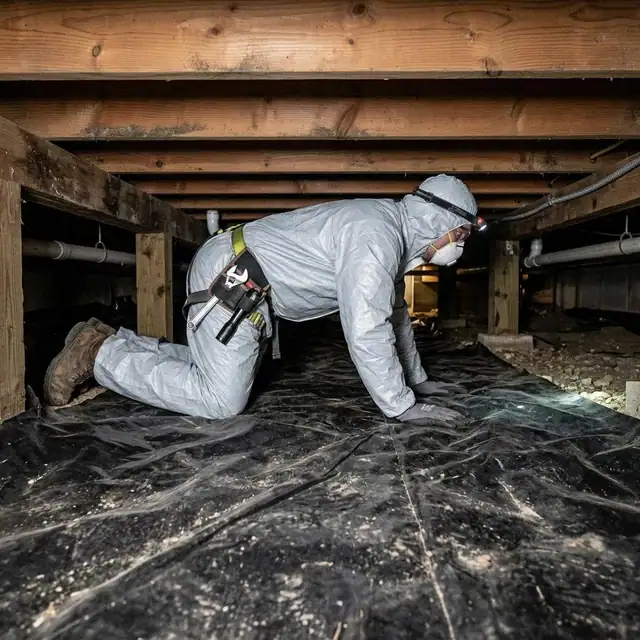
The drywall is not the only material that can soften. The subfloor under the tub or toilet can also rot. Tap the floor around the base of the toilet with the screwdriver handle. A hollow sound might mean the wood is compromised. Look at the baseboard or quarter-round trim. If it is swollen, cracked, or discolored, water has been sitting there. This is where a moisture meter becomes useful. It can give you a numeric reading of the moisture content in the wood. Anything above 20 percent is a red flag.
What to Do If You Find Soft Drywall
Finding soft drywall means there is an active moisture problem. The first step is to stop the source of water. That might mean recaulking the tub, replacing the toilet wax ring, or fixing a leaky supply line. Once the leak is addressed, the damaged drywall must be removed. Cut back at least 12 inches beyond the soft area to ensure all compromised material is gone. Before installing new drywall, let the cavity dry thoroughly. Use a fan or dehumidifier if needed. Then treat the area with a mold-inhibiting primer before taping and finishing. If the damage is extensive, it may be worth calling a professional. Mold Removal Boston Pros, for instance, can handle both the moisture issue and the mold remediation in one visit.
Preventing Soft Drywall in the Future
Prevention is mostly about maintenance. Inspect caulk and grout every few months. If you see cracks, recaulk immediately. Use a squeegee on tile walls after showering to reduce standing water. Make sure the bathroom fan runs for at least 20 minutes after a shower. For toilets, check the bolts and the wax ring for leaks. A slow leak around the toilet base is one of the most common causes of soft drywall. Also consider using a moisture-resistant drywall, like purple board, in bathrooms that see heavy use. It is not waterproof, but it resists moisture better than standard drywall.
When a Professional Inspection Makes Sense
If you find widespread soft drywall, or if you suspect mold inside the wall cavity, a professional bathroom mold inspection might be the right next step. Professionals have tools like borescopes and moisture meters that can see inside walls without cutting them open. They can also identify the type of mold and assess whether it is a health hazard. For a homeowner, this knowledge can save time and prevent unnecessary demolition. And if the mold problem is already visible, professional remediation ensures it is removed completely, not just painted over.
Checking for soft drywall is a simple but powerful part of any bathroom mold inspection. It catches problems that hide behind the surface. With just a few minutes and a gentle touch, you can determine whether your bathroom walls are sound or whether they need attention. And when the damage goes beyond what you can handle yourself, you know whom to call. Mold Removal Boston Pros have the experience to handle the full picture, from moisture control to mold removal, so your bathroom stays safe and dry.